

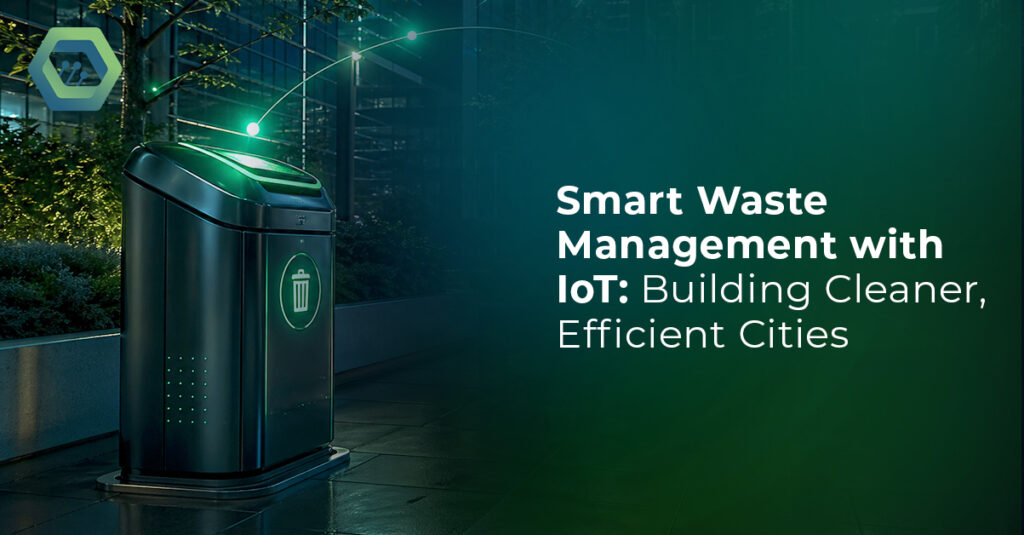
Smart Waste Management with IoT: Building Cleaner, Efficient Cities
Urbanization is accelerating rapidly.
Cities are expanding, populations are growing, and with it—waste generation is increasing at an unprecedented rate.
Traditional waste management systems are struggling to keep up.
The solution lies in Smart Waste Management powered by IoT, where data, automation, and real-time monitoring transform how cities handle waste.
The Challenge with Traditional Waste Management
Conventional waste systems rely heavily on manual processes:
• Fixed collection schedules
• No visibility into bin fill levels
• Inefficient routing
• Overflowing bins
• High operational costs
This results in:
❌ Inefficient collection
❌ Increased fuel consumption
❌ Poor sanitation conditions
❌ Lack of accountability
👉 Cities need smarter, data-driven systems
What is Smart Waste Management?
Smart Waste Management uses IoT sensors, connectivity, and data analytics to monitor, manage, and optimize waste collection processes.
It enables cities to move from schedule-based collection → demand-based collection.
How IoT Transforms Waste Management
IoT sensors are deployed in waste bins and collection systems to track:
• Fill levels
• Waste type (optional)
• Temperature (fire risk detection)
• Location and status
This data is transmitted to a centralized platform for real-time monitoring.
Key Components of a Smart Waste System
1. Smart Waste Bins
Equipped with sensors to detect fill levels and status
2. IoT Connectivity
LoRaWAN or wireless networks for long-range communication
3. Centralized Platform
Unified dashboard for monitoring and analytics
4. Route Optimization
AI-based route planning for efficient waste collection
From Reactive to Intelligent Waste Collection
Traditional approach:
👉 Collect waste on fixed schedules
Smart approach:
👉 Collect waste only when needed
This enables:
• Reduced unnecessary trips
• Faster response to overflowing bins
• Improved cleanliness
• Better resource utilization
Real-Time Monitoring & Alerts
IoT-enabled systems provide:
• Live bin status tracking
• Alerts for overflow or anomalies
• Fire or temperature alerts
• Maintenance notifications
👉 Ensuring proactive waste management
Benefits of Smart Waste Management
1. Operational Efficiency
Optimized collection routes reduce time and effort
2. Cost Reduction
Lower fuel consumption and manpower costs
3. Cleaner Cities
Prevent overflowing bins and improve hygiene
4. Sustainability
Reduce emissions through optimized logistics
5. Data-Driven Decisions
Use analytics to improve planning and operations
Smart Waste Management in Smart Cities
Smart waste systems are a key pillar of Smart City initiatives.
They integrate with:
• Environmental monitoring systems
• Urban infrastructure platforms
• IoT dashboards
• Sustainability programs
👉 Creating a connected, efficient urban ecosystem
The Role of Unified IoT Platforms
Sensors alone cannot solve the problem.
A unified IoT platform enables:
• Centralized monitoring of all waste systems
• Real-time alerts and analytics
• Integration with city infrastructure
• Automation of workflows
👉 Turning data into actionable urban intelligence
Challenges in Implementation
• Infrastructure setup
• Connectivity challenges
• Integration with existing systems
• Initial investment costs
👉 However, long-term benefits outweigh these challenges significantly
The Future of Waste Management
The next phase includes:
• AI-based waste prediction
• Automated waste sorting
• Integration with smart recycling systems
• Carbon footprint tracking
Cities will evolve into self-optimizing ecosystems
Conclusion
Smart Waste Management is not just about efficiency—
it’s about creating cleaner, healthier, and more sustainable cities.
With IoT-enabled systems, cities can:
• Optimize operations
• Reduce costs
• Improve hygiene
• Enhance sustainability
👉 From manual waste handling to intelligent urban systems
FAQ
What is smart waste management?
Smart waste management uses IoT sensors and data analytics to monitor and optimize waste collection processes.
How does IoT help in waste management?
IoT provides real-time data on bin fill levels and enables efficient collection and route optimization.
What are the benefits of smart waste systems?
Improved efficiency, reduced costs, cleaner cities, and better sustainability.
What technologies are used in smart waste management?
IoT sensors, LoRaWAN connectivity, cloud platforms, and data analytics.